NovaRay Backplane
Context
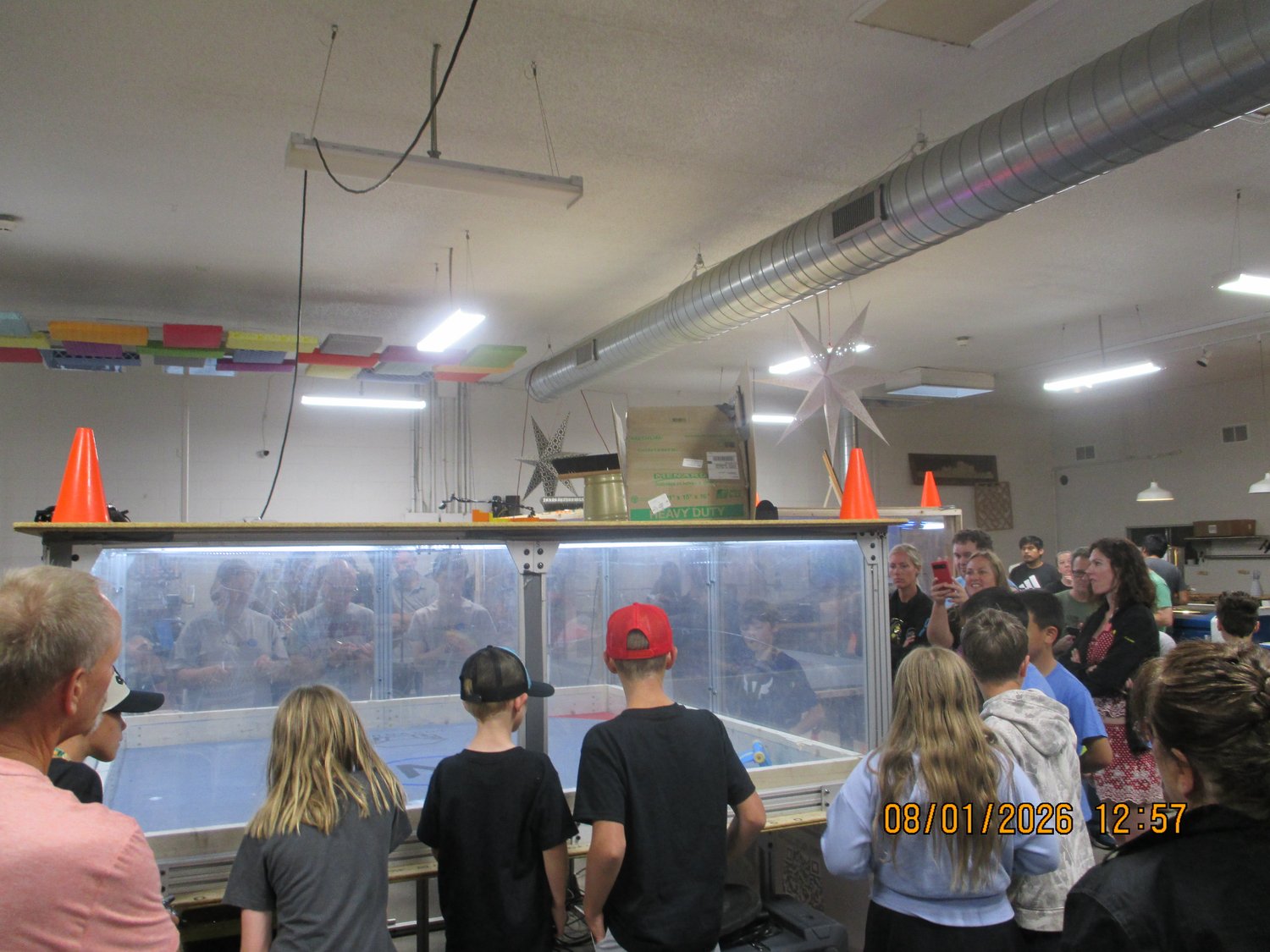
A group of us at Samtec entered the Maker13 River City Rumble, a Midwest Robot Combat Association (MRCA) regional event in Jeffersonville, IN, drawing competitors from as many as five surrounding states across the 1 lb Antweight and 3 lb Beetleweight classes. At the time, a member of Samtec's Marketing & Development team owned the Maker13 makerspace and was hosting the event, so a few of us co-ops pitched entering as a side project and secured funding from Samtec. Every member of the team was a full time co-op, and we designed and built the entire robot outside our normal 9 to 5 engineering responsibilities. We competed in the 3 lb Beetleweight class with a robot designed to deliver heavy impact energy and absorb repeated hits. The core engineering problem was a classic SWaP tradeoff (Size, Weight, and Power): packing motors, batteries, electronics, a weapon system, and structural armor into a machine that stays under 3 lb while maximizing damage and durability.
Content
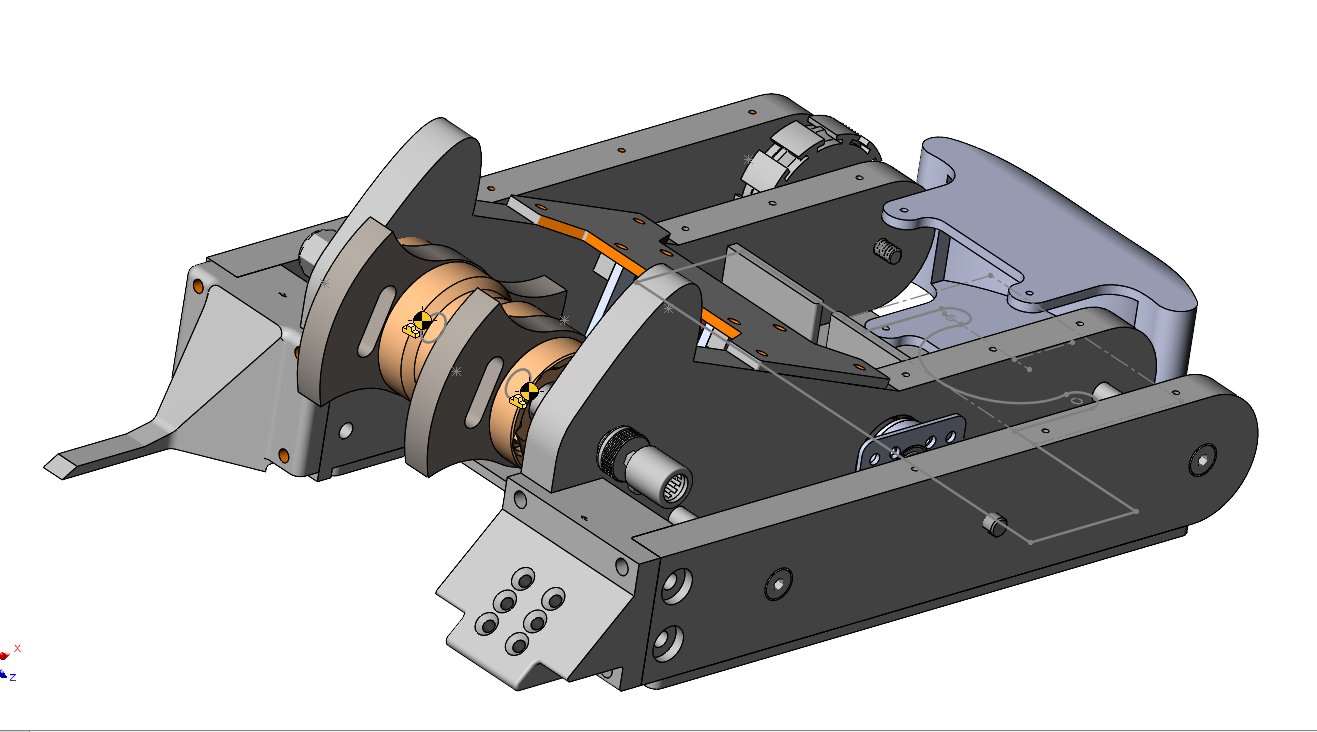
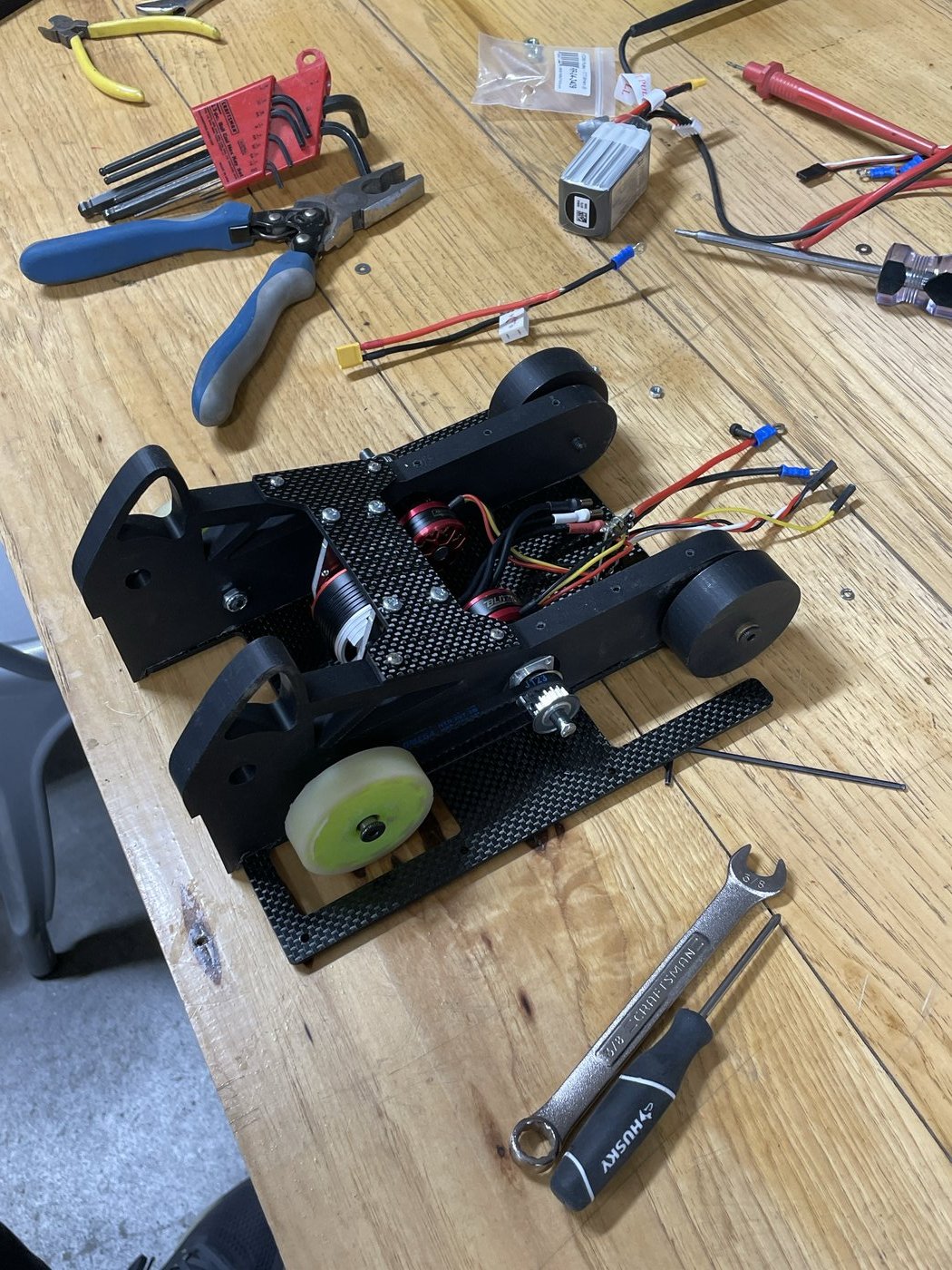
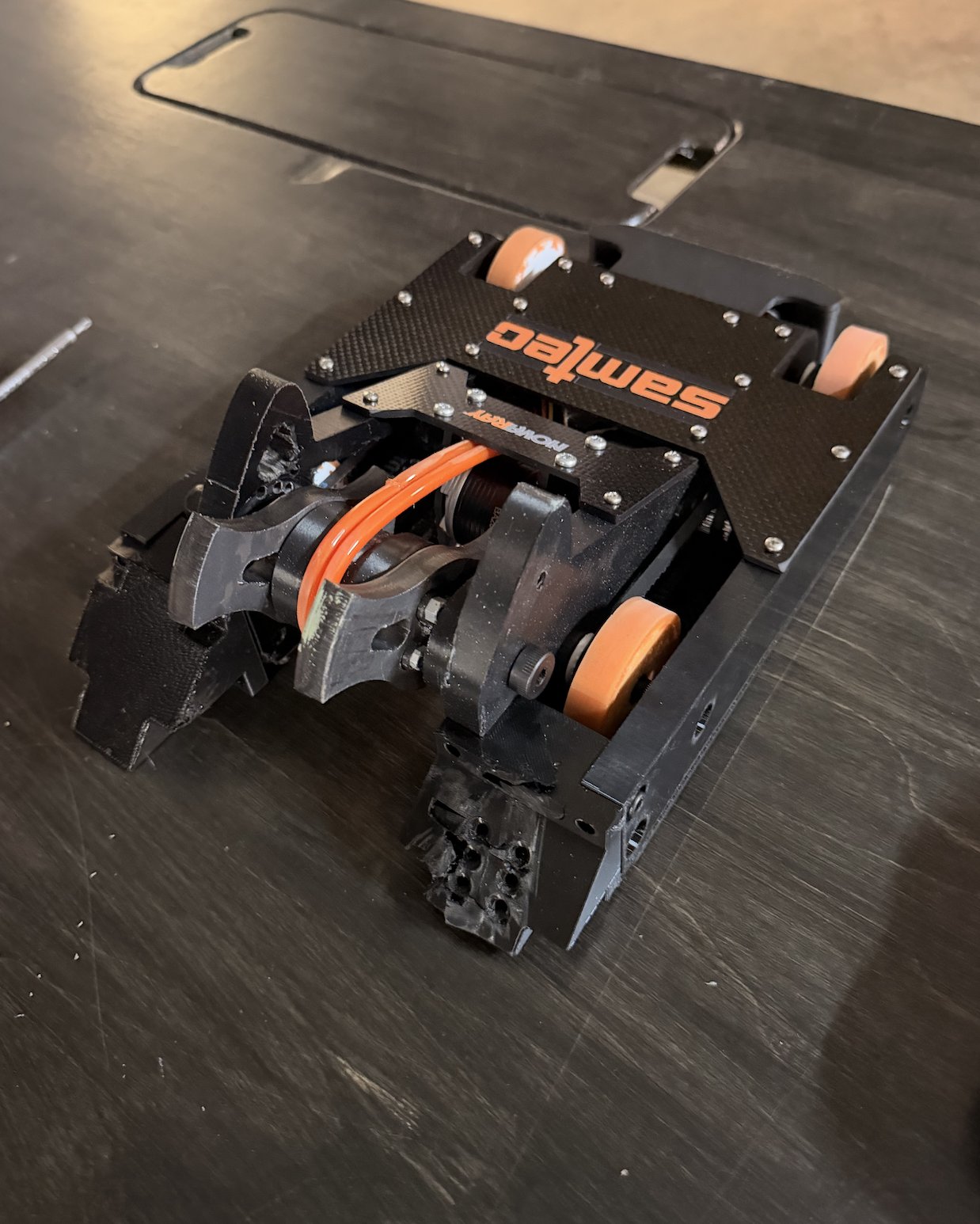
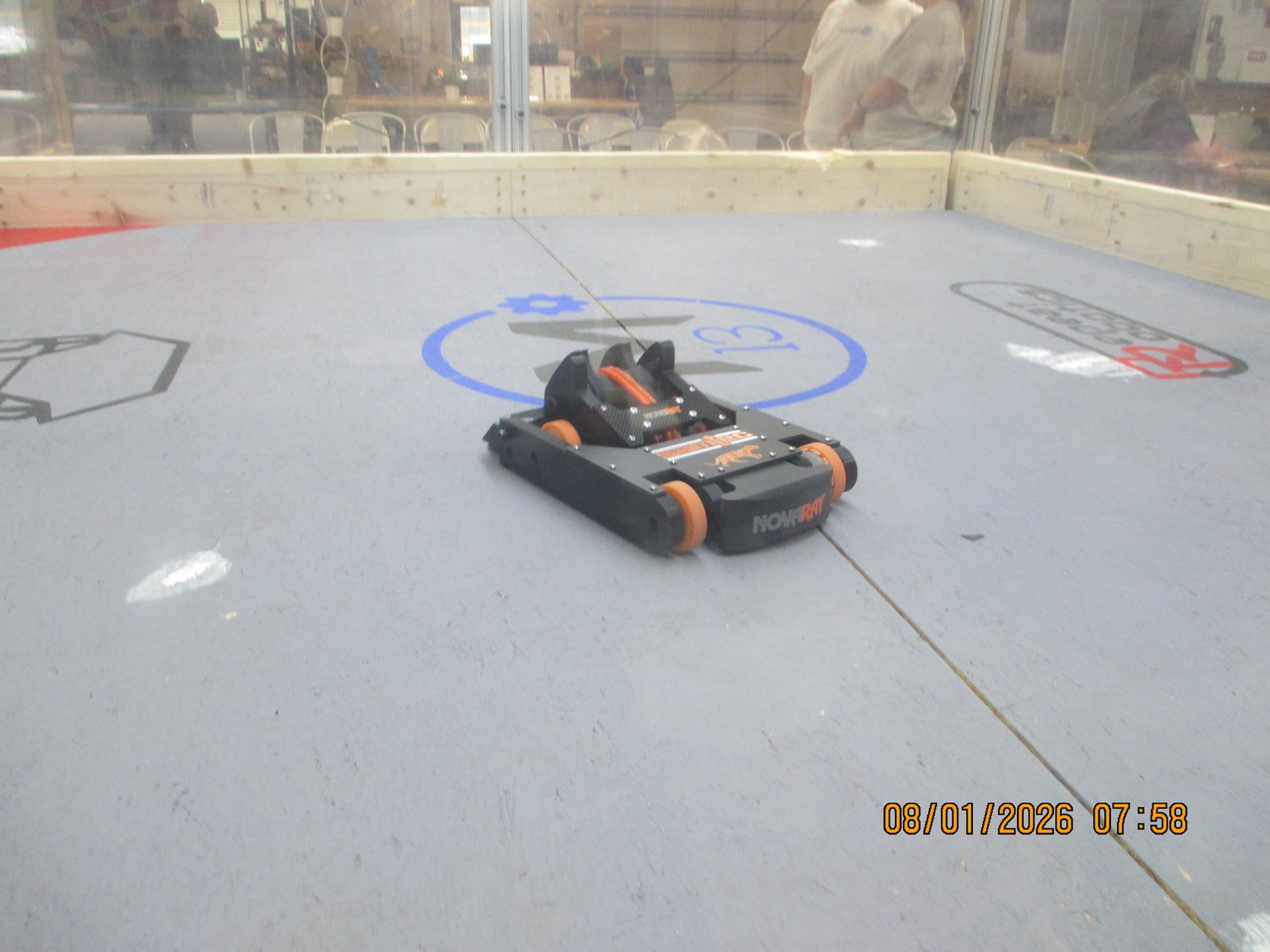
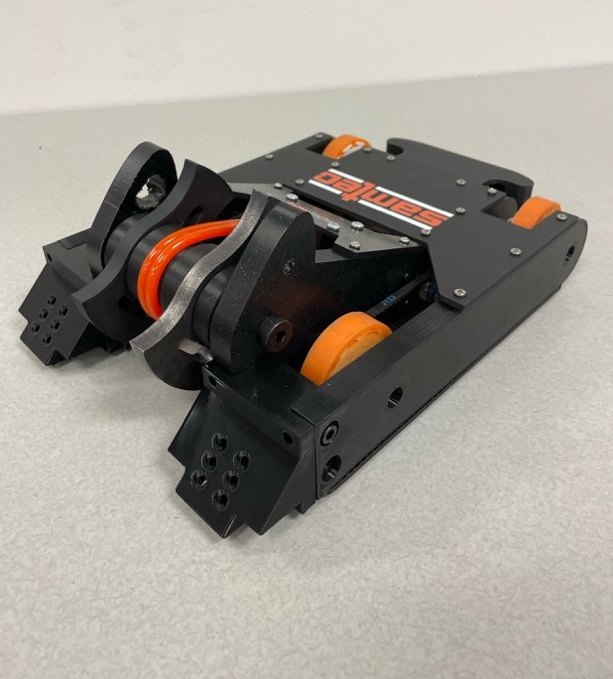
We settled on a four-wheel drive vertical spinner. As the sole mechanical lead, I owned the design and fabrication of the chassis, drivetrain, and armor (everything but the weapon stack), modeling every component in SolidWorks against the 3 lb ceiling.
- Drivetrain: two brushless motors in a 4W “tank drive” configuration, each connected to front and back dead shafts through timing belts and pulleys, reaching a top speed of roughly 18 mph. Wheels made of polyurethane tread cast on PLA printed wheel hubs.
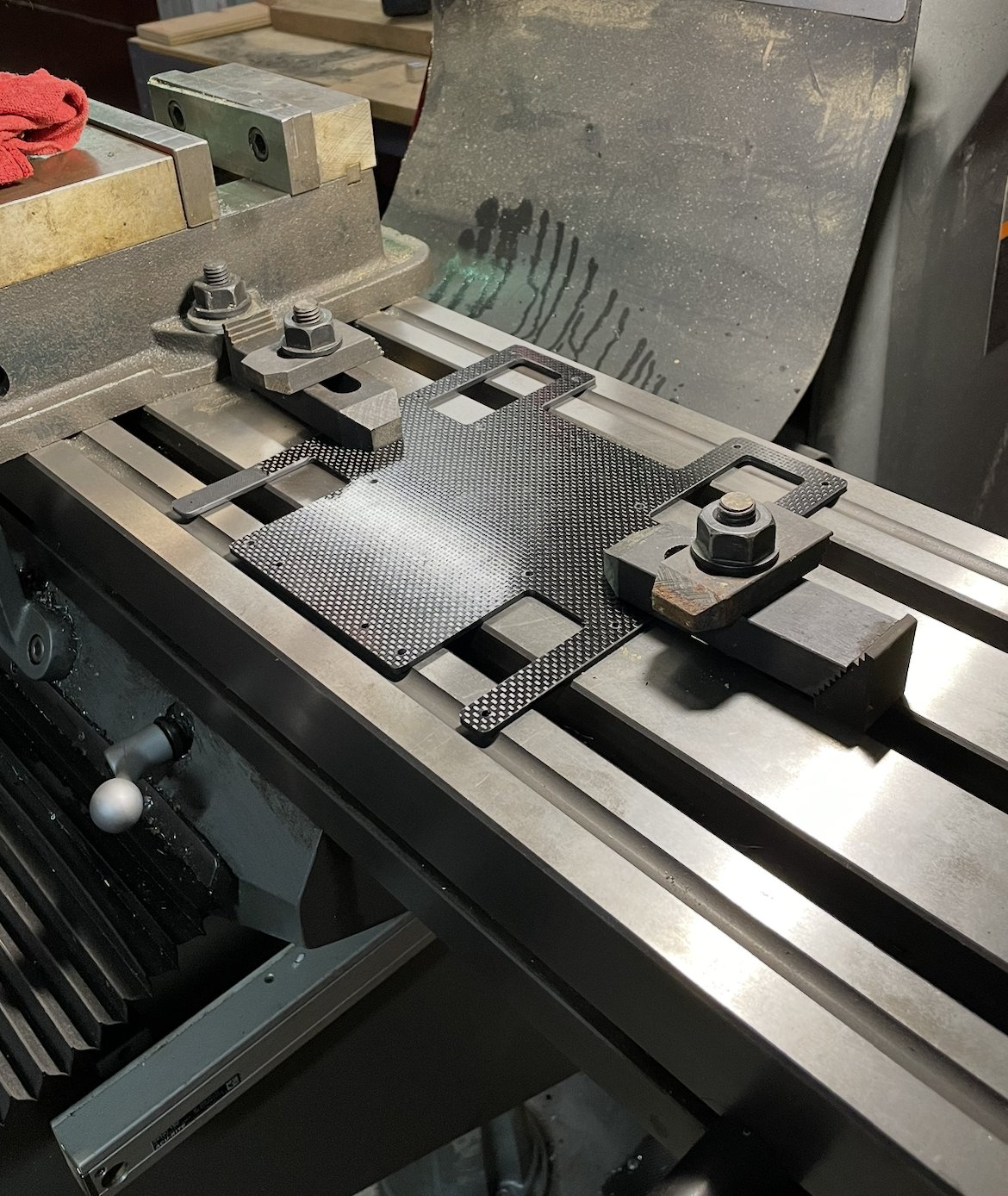
- Structure: UHMW standoffs, laser cut and then pocketed on a manual mill, with carbon fiber top and bottom plates machined on a CNC mill.
- Armor: 3D printed TPU side armor and a front wedge, chosen for its light weight and to absorb and deflect impact energy.
Conclusions
We won 1 of 2 matches. The main constraint was the compressed three-week timeline on top of full-time co-op hours, with major design changes landing about a week before competition. My biggest lesson was on weight management and BOM discipline. I tracked system level weight estimates for electronics, weapon, drive, and chassis, but I did not keep a detailed per component weight sheet. Because the 3 lb limit is the hard constraint, when subsystems came in heavier than estimated we were forced into serious tradeoffs the night before to make weight. Next time, I would maintain a live BOM with a per component weight budget from day one. Overall, it was a great hands-on lesson in designing under real constraints and knowing when to draw on the experience around you.
Featured on the Samtec engineering blog: SWaP Under Pressure: Lessons from Combat Robotics